How modern dogs evolved
Sure, the poodle strutting its new summer haircut on the boulevard is descended from wolves. Domestication began during the ice age and has been accelerating for 40,000 years. In the last hundred years we’ve created more new breeds that ever before.
In that sense, dogs (Canis lupus familiaris) are pretty new.
But really, the history of dogs takes us all the way back to 40 million years ago.
That’s 13.3 million dog generations. That’s a lot of litters. A lot of sticks chewed. A lot of drool.
The evolution of dogs: a long journey to best friend status
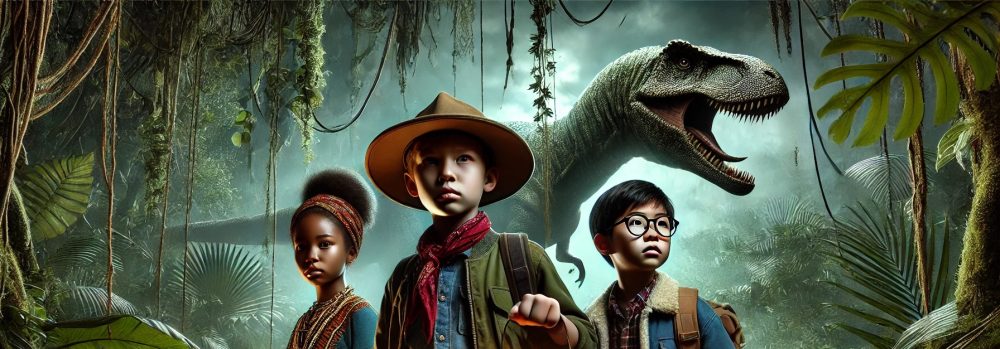
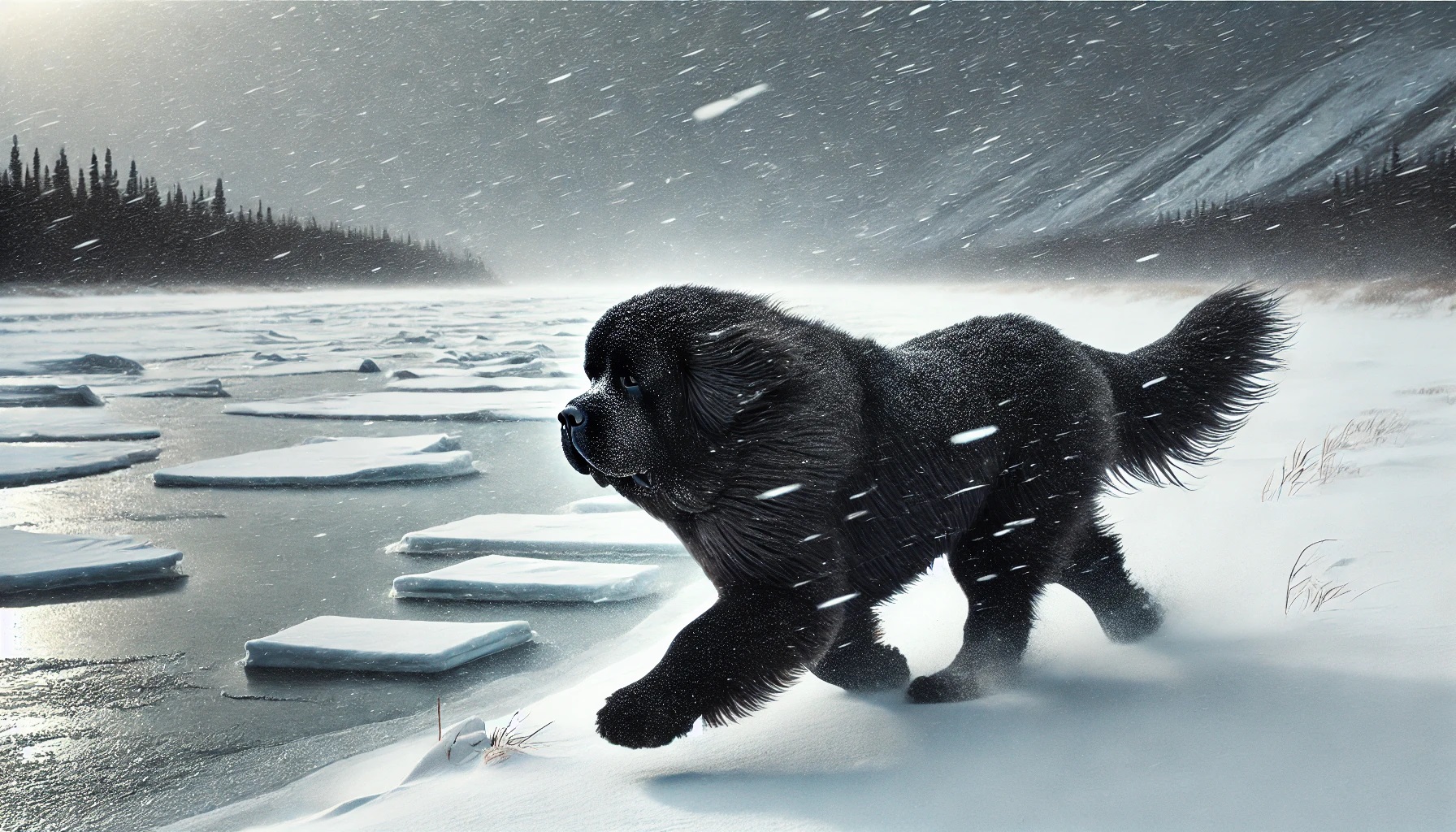
Dogs are part of the Canidae family, which also includes wolves, foxes, and other canids. Here’s they got from small, dog-like mammal in the Eocene epoch to Leakey, the monstrous Newfoundland Retriever in my fossil-hunting, adventure novel, The Time Eater:
1. Dogs in Prehistory:
The story of dogs begins with a common ancestor shared with wolves, which lived around 20-40 million years ago. This ancestor was a carnivorous mammal that belonged to the Canidae family, known for being dog-like in appearance and behavior. The first canids were similar to modern foxes and evolved into a wide range of species that adapted to different environments and ecological niches.
2. The Origin of the Canis Genus:
Around 6-7 million years ago, the Canis genus emerged. This genus includes modern dogs, wolves, coyotes, and jackals. The first members of the Canis genus were more wolf-like in appearance and behavior, and over time, they began to adapt to various ecological regions.
3. Wolves and the Ancestors of Domestic Dogs:
The most direct ancestor of modern domestic dogs is believed to be a species of gray wolf (Canis lupus), which existed around 100,000 to 200,000 years ago. These wolves would have lived in social packs and developed the behaviors that made them highly adaptable hunters.
4. Domestication of Wolves:
The domestication of dogs is thought to have started somewhere between 15,000 and 40,000 years ago, though some genetic evidence suggests it could be even older. The process likely began when humans and wolf needs began to converge.
Wolves might have started scavenging around human camps, where food was abundant. Over time, wolves that were less fearful of humans and more tolerant of human presence might have been able to get closer to the humans, providing benefits like protection, hunting assistance, and waste cleanup.
The wolves that were more social, less aggressive, and tolerant of human interaction may have had a better chance of surviving and reproducing in this new environment. Over time, this led to the domestication of wolves into a new subspecies that evolved into the domestic dog. This process could have been gradual and was likely shaped by natural selection, where humans may have unknowingly selected wolves that had traits that made them better companions.
5. Genetic Divergence:
Genetic studies suggest that the domestication of dogs likely occurred in multiple regions around the world. Evidence points to both Eurasia (particularly Europe and Asia) and the Middle East as possible centers for early dog domestication. Over thousands of years, humans selectively bred these early domesticated dogs for specific traits, such as size, behavior, and appearance, leading to the creation of various dog breeds.
6. The Role of Dogs in Early Human Societies:
As dogs became more integrated into human societies, they began to serve a variety of roles, including hunting partners, herders, guards, and companions. Early humans likely used dogs for hunting (especially large game) and as pack animals. The bond between humans and dogs strengthened, leading to even further selection for traits that suited human needs, from guarding homes to being a friend.
7. Modern Dogs:
With the spread of human civilizations, dogs continued to diversify. Over the past few hundred years, particularly with the rise of modern breeding practices, the number of dog breeds exploded. From tiny Chihuahuas to huge Great Danes, dogs were bred for specific traits—whether it be herding, hunting, guarding, or companionship.
But mostly for the love if we’re being honest.
Conclusion:
I don’t think anything in world better embodies love than dogs. In that sense, the evolution of love has been 40 million years in the making. I, for one, am happy that those 13 million generations of fur led here, to this moment when this goofy princess is demanding more belly rubs.