Belleville Author Andy Haynes Launches Teen Fossil Hunting Mystery, The Time Eater
New novel explores the wonders of the lost places buried in our cities, how three immigrant children navigate their broken families, and what they’re willing to do to save the greatest fossil find of the century.
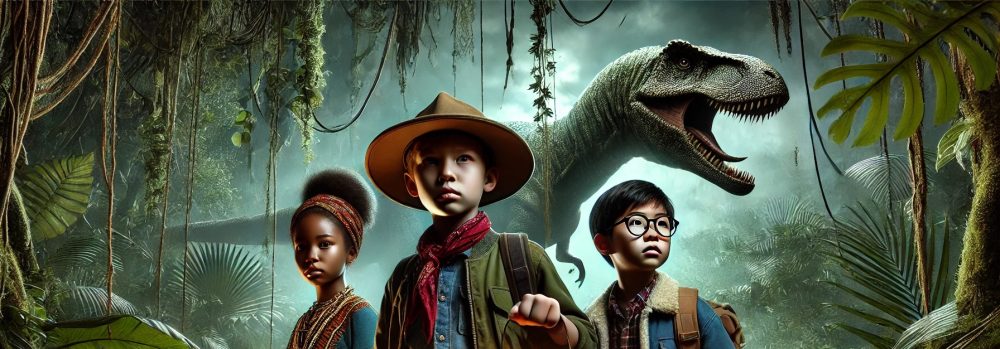
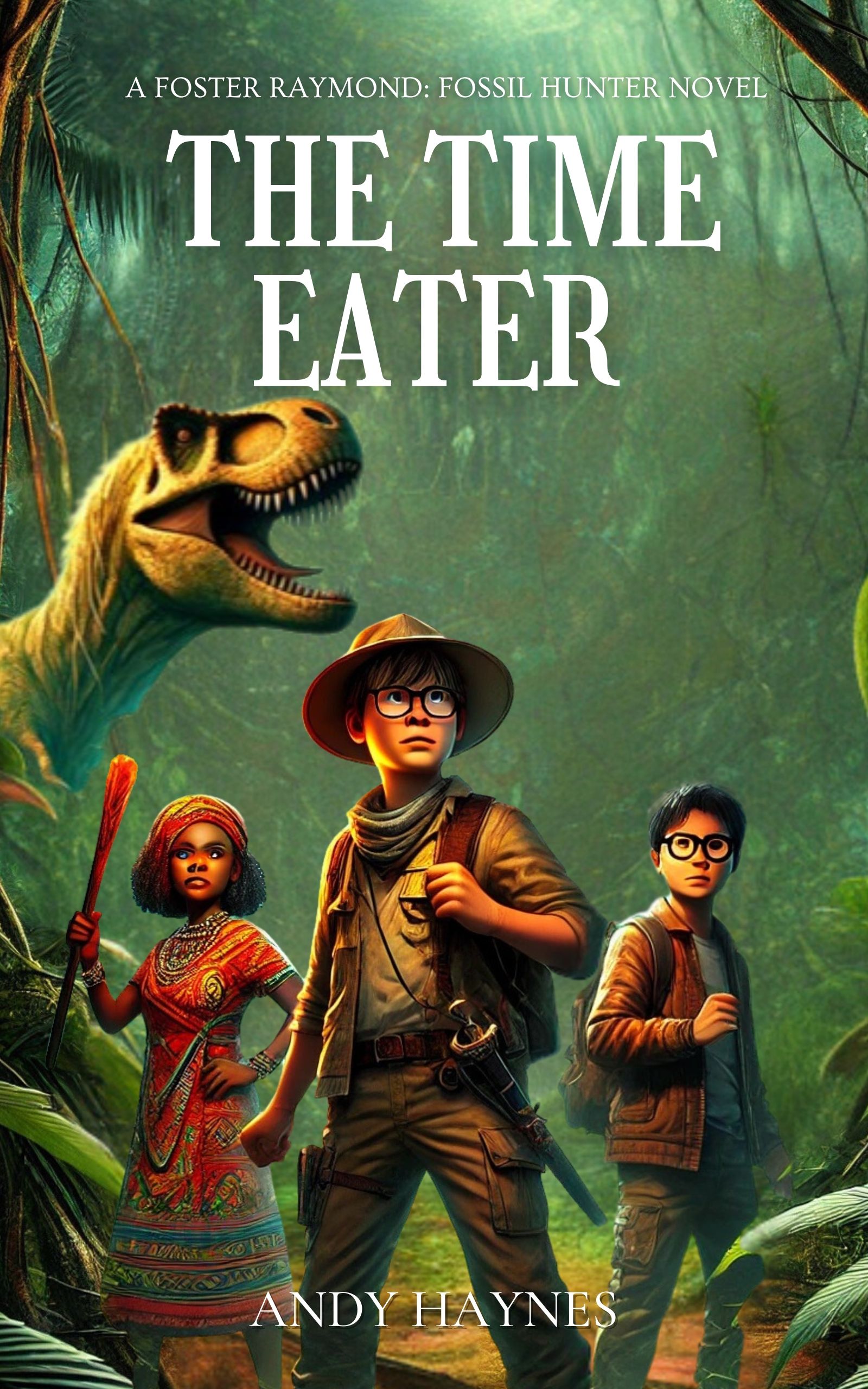
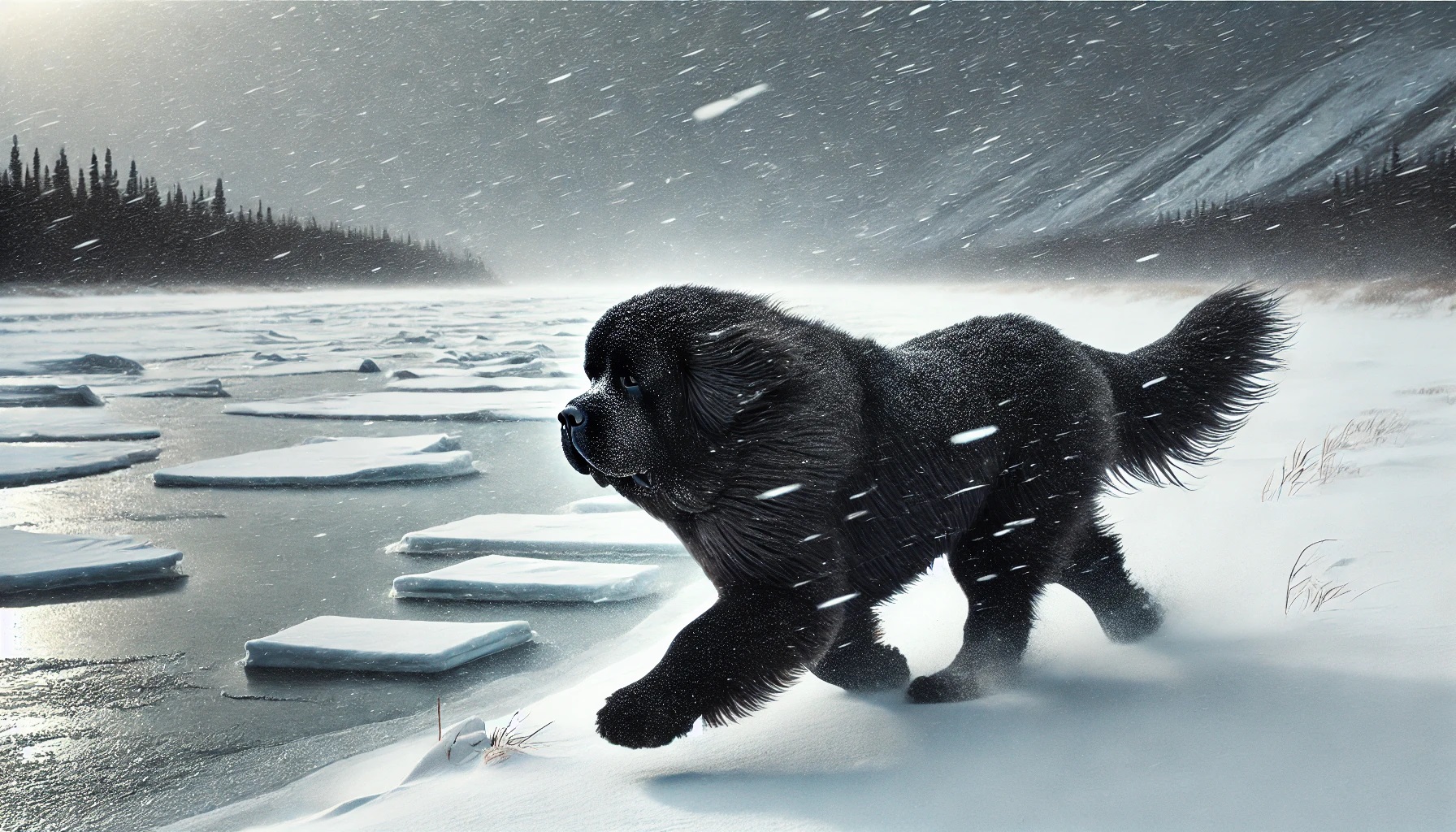
December 02, 2025 Belleville, ON – Belleville author Andy Haynes has released a new mystery-adventure for young teens, now available at Amazon.ca and Indigo.ca. The Time Eater follows 13-year-old Foster Raymond and his unlikely team—a towering Newfoundland Retriever, a Swahili inventor, and an eight-fingered explorer—as they race to stop a mysterious villain known as the Time Eater who is erasing history, one fossil at a time.
Haynes asks, “Would you risk everything to uncover a truth that could save your grandfather’s legacy and change history? I love that Foster and his friends have that drive. And it leads them into situations that really captivated me during the writing of the book because their story became an exploration of the wonders of the lost places buried in our cities. I’m fascinated by those wild spaces—and Belleville has plenty of them—where you can find yourself isolated from the malls and factories with nature and history running riot all around you, only a few hundred metres from 4 lanes of traffic.”
“I grew up fossil hunting in the river valleys that carve through Toronto. That was the inspiration,” says the author. “The heart of this book is 13-year-old Foster, whose grandfather, a renowned paleontologist, died under suspicious circumstances. Foster’s not the kind of kid to leave a mystery unsolved, no matter what the cost. So, as he seeks to uncover the truth behind his grandfather’s death, he finds himselffighting to solve the cryptic clues his granddad left behind while battling the ruthless Time Eater. This enemy of science operates in the shadows, stealing irreplaceable fossils and robbing the world of crucial discoveries.”
The core of story Haynes says is, “The exceptional way three immigrant children navigate their broken families and confront escalating threats, discovering just how far they are willing to go to preserve their friendship.”
The Time Eater: A Foster Raymond Fossil HunterNovel is available now in paperback and eBook at Amazon.ca
About the Author:
It all began in the dirt.
I spent my summers hooked on the thrill of unearthing new fossils from the riverbanks of Toronto’s wildest spaces. When the snows came, and I got a little older, I wrote and wrote, until I ended up as head of content marketing for a global tech firm. Along the way I co-wrote two non-fiction books, published by John Wiley &Sons in the US, Canada and more than a half-dozen other countries.
Now based in Belleville, I’m working on spreading the word about local fossil hunting for beginners and continuing the story of Foster’s quest to uncover fantastic fossils around the world while finding ways to make friendship and family work.
I was recently interviewed by German film production company CocoaFilm as part of their upcoming The Great Loop documentary series that will premiere in 2026. I was happy to share with their global audience the ins and outs of fossil hunting in the Bay of Quinte area, where to look and what you can expect to find in our 450-million-year-old limestone deposits.
Here’s a summary checklist of all the gear, tools, and supplies you should bring on your one-day fossil hunting adventure. In many cases substitute tools have been suggested in case you don’t have access to purpose-built fossil hunting tools.
Use the checklist to double-check your backpack before you set out. (You can check the boxes once you’ve packed each item.) If possible, keep a knapsack filled with these items as a ‘Go Bag’ so that you’ll be ready to go whenever the urge hits you.
Tools & Equipment:
Rock hammer – or a sturdy home hammer (with safety goggles to keep eyes safe from flying rock chips)
Chisel – or a strong flat-head screwdriver as a substitute
Small shovel or trowel – or a garden spade/large spoon for digging
Brushes – e.g. a paintbrush and old toothbrush for cleaning fossils
Magnifying glass – or a smartphone camera for close-ups (optional but fun)
Notebook & pencil – for notes, sketches, and recording where/when you found fossils
Phone– or camera, to take pictures/videos of finds (and your fossil hunting adventure!)
Plastic bags/containers – to hold fossils; include tissue/foil to wrap fragile pieces
Marker or labels – to mark your bags with date and location of each find
Safety glasses/goggles – must-have eye protection when hammering
Gloves – work or garden gloves to protect your hands
Sturdy shoes/boots – closed-toe, with good grip (no sandals)
Sun hat or cap – to shield you from the sun
Comfortable, durable clothing – long pants, and layered shirts suitable for the weather
Optional extras: kneepads, small flashlight, ruler, tweezers/dental pick, bandana, etc.
Personal Essentials:
Water bottles – plenty of water to stay hydrated (especially on hot days)
Snacks/Lunch – energy bars, sandwiches, fruits, etc., for breaks
Sunscreen – SPF 30+ and lip balm with SPF (apply before and during trip)
Insect repellent – bug spray or wipes to keep mosquitoes and ticks away
First aid kit – band-aids, antiseptic, any personal meds (just in case)
Fully charged phone – for safety, photos, GPS (consider a portable charger too)
Buddy/Adult – a friend, parent, or guardian to accompany you (safety in numbers!)
Backpack – to comfortably carry all your gear and fossils
Trash bag – or ziplock to pack out any garbage (leave no trace)
Weather gear – sunglasses, rain jacket/poncho if forecast calls for rain, etc.
Maps/Directions – saved on phone or printed, so you can find and return from your site
Permission – if needed (for private land or supervised sites, have a plan or permission slip)
Once you’ve completed the checklist you’re ready to hit the rocks. Stay safe, have fun, and may you discover the coolest, oldest thing you’ve ever touched!
Check out The Time Eater: A Foster Raymond Fossil Hunter Mystery-Adventure for young teens.
Since Chat GPT exploded into our lives three years ago, AI has been just about everyone’s favorite topic, all the time. In business and our personal lives people are using it to create recipes, write resignation letters, create business plans and even train their dogs. It’s being applied to just about everything.
And it doesn’t matter which flavor of Large Language Model (LLM) you prefer (Chat GPT, Claude, Google’s Notebook LM, etc.) the results have been transformative, enabling us to work faster, easier, better to find information and organize it more effectively than ever before.
So, can it help us find our next fossil?
You bet.
I think…
How Ai can Help you Find Fossils in your Area: 8 Al prompts you can use to find fossils where you live
In my own area here’s how I used Chat GPT (or you can use Claude, Notebook LM or Microsoft’s Co-Pilot) to find potential sites to fill my Summer local dig schedule. Think of your research using Chat GPT as a conversation with a knowledgeable local expert. Tailor your prompts to fit your needs and your description of the areas you wish to explore. Each prompt follows the one before it and you can always ask for more detail about an answer, summaries or pose follow-up questions. When you’re finished, you’ll have a string of questions and answers that should give you everything you need to plan your local upcoming fossil digs.
Here’s the prompts I suggest you start with (modify them to fit your needs):
Prompt 1: What is the geology of (Insert Your Town’s Name) and surrounding area?
Prompt 2: Where are the Paleozoic Sedimentary Rocks ((Insert Your Town’s Name & Southward)?
Prompt 3: Can you give specific locations with park or street names for sedimentary deposits in (Insert Your Town’s Name?
Prompt4: What kinds of fossils can be found in each of those locations?
Prompt 5: What are recommended online resources that would be helpful when planning and executing fossil digs in the local area?
Prompt 6: Where can I go online to find good maps of the area?
Prompt 7: Where can I go online to find good geological maps of the area?
AI-enabled fossil hunting in action: What Chat GPT told me about finding fossils in Belleville
Here’s the answers I got when I used those prompts in Chat GPT to find likely areas to dig in my town of Belleville, Ontario. The results are really helpful to me since we’ve only lived in Belleville for a few years (the fossil hunting depicted in my Time Eater novel takes place in my former hunting ground of Toronto.)
Belleville is a town of 57,000 people. Small. Small enough that you’ll never have to suffer through a traffic jam or a 90-minute drive to get to work. But big enough to have everything you need in a city readily at hand.
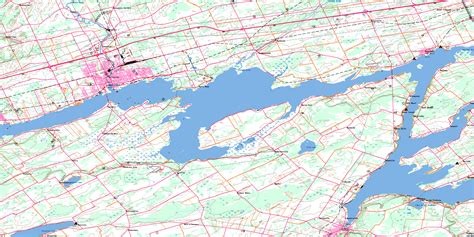
The town was founded in the early 1800s in the spot where the Moira River flows into the Quinte Bay on Lake Ontario creating a natural harbor that made the location great for transporting timber, minerals and crops from further inland. Those same waterways that made this a shipping hub and great place to found a city also make it a likely spot for finding fossils.
AI suggestions for likely places to find fossils in Belleville
Here are my actual results when I queried Chat GPT about where to hunt for fossils in Belleville:
Prompt 1: What is the geology of Belleville, Ontario and surrounding area?
The geology of Belleville, Ontario, and its surrounding area is characterized by a mix of Precambrian Shield rocks, Paleozoic sedimentary formations, and glacial deposits. Here’s a breakdown of the key geological features:
1. Canadian Shield Influence (North of Belleville)
Precambrian Rocks: North of Belleville, particularly in areas like Tweed and Bancroft, you enter the Canadian Shield, composed of ancient igneous and metamorphic rocks that are over 1 billion years old.
Granite, Gneiss, and Marble: This region has rich mineral deposits, including marble, quartz, and feldspar, which have been historically mined.
Bancroft Area: Known as “Canada’s Mineral Capital,” Bancroft has a diverse range of minerals, including apatite, fluorite, and mica.
Belleville sits on a platform of Ordovician and Silurian sedimentary rocks, formed around 450-420 million years ago when this region was covered by a shallow tropical sea.
Limestone & Dolostone: The area contains extensive limestone and dolostone formations, visible in quarries and road cuts.
Fossils: The limestone in the region often contains well-preserved fossils of marine life like trilobites, corals, and brachiopods.
3. Glacial Influence & Surface Deposits
Glacial Till & Sand Deposits: The area was heavily shaped by the last Ice Age (~12,000 years ago), leaving behind glacial till, eskers, and drumlins.
Bay of Quinte Influence: Post-glacial flooding from Lake Iroquois (a predecessor to Lake Ontario) left behind sand and clay-rich deposits, influencing the soils found near the Bay of Quinte.
Prince Edward County: The famous “Alvar” landscapes in places like Sandbanks Provincial Park are a result of thin limestone soils over bedrock, creating rare habitats.
4. Groundwater & Karst Features
The limestone formations around Belleville can develop karst topography, including sinkholes and underground drainage systems.
Groundwater in these limestone formations can be hard (rich in calcium and magnesium) due to limestone dissolution.
Economic & Geological Importance
Quarrying: Limestone is extracted for construction and aggregate materials.
Mineral Resources: The Canadian Shield to the north has historically been mined for minerals.
Geological Tourism: Areas like Bancroft attract rockhounds and geologists for mineral collecting.
Summary
Belleville sits at the transition between the ancient hard rocks of the Canadian Shield to the north and the softer, fossil-rich limestone of the Paleozoic lowlands to the south, with significant influence from glacial activity. The region’s geology supports industries like quarrying, agriculture (due to fertile glacial soils), and tourism related to mineral collecting.
Would you like more details on a specific geological aspect of the area?
Prompt 2: Where are the Paleozoic Sedimentary Rocks (Belleville & Southward)?
The Paleozoic sedimentary rocks found in Belleville and southward primarily belong to the Ordovician and Silurian periods (about 450-420 million years ago). These sedimentary formations cover much of southern Ontario and are particularly well-exposed along road cuts, quarries, and the shores of Lake Ontario and the Bay of Quinte.
Key Locations of Paleozoic Sedimentary Rocks in the Belleville Region:
1. Belleville & Bay of Quinte Area
The bedrock underlying Belleville and much of the Bay of Quinte region is primarily composed of Ordovician limestone and dolostone.
This limestone is part of the Black River and Trenton Groups, which formed in warm, shallow seas.
Fossils of trilobites, brachiopods, corals, and crinoids can often be found in these rocks.
2. Prince Edward County
Much of Prince Edward County, south of Belleville, sits on a limestone alvar landscape, where thin soils overlie flat Paleozoic bedrock.
The famous Sandbanks Provincial Park is built on glacial sands that overlay Paleozoic limestone.
The area is part of the Trenton Group, with visible limestone formations along the shoreline.
3. Napanee & Shannonville Area
The area west of Belleville, near Napanee, has extensive Ordovician limestone exposures, some of which are quarried for building materials and aggregates.
The region around Shannonville contains some dolostone formations, which are slightly harder and more resistant to erosion than limestone.
4. Northumberland County & Brighton
Moving eastward from Belleville toward Brighton and Colborne, the limestone bedrock continues with scattered exposures along road cuts and in quarries.
The Presqu’ile Provincial Park area is underlain by Ordovician limestone, with glacial deposits covering much of it.
5. Kingston & Surrounding Area
Further east toward Kingston, the Ordovician limestone continues to dominate, forming the foundation of much of the city.
This area is also famous for limestone heritage buildings, using locally quarried stone.
The Thousand Islands region contains exposures of both Paleozoic sedimentary rocks and the older Canadian Shield rocks.
Geological Boundaries
To the north of Belleville, the Paleozoic limestone formations transition into the Precambrian rocks of the Canadian Shield near Tweed and Bancroft.
To the south, these sedimentary rocks dip gently under Lake Ontario, forming part of the Great Lakes basin.
Economic & Scientific Importance
Quarrying: These Paleozoic rocks are widely quarried for cement, road aggregates, and building materials.
Groundwater Resources: The porous nature of limestone influences water quality and karst formations in the area.
Fossil Sites: Several road cuts and natural exposures in the region contain well-preserved Ordovician fossils.
Would you like information on specific geological sites, such as fossil-collecting locations or notable quarries?
Prompt 3: Can you give specific locations with park or street names for sedimentary deposits in Belleville?
Belleville, Ontario, sedimentary rock exposures, primarily Ordovician limestone, can be observed at several accessible locations. re are some specific spots where these geological features are visible:
1. Riverside Park
Location: Alo Moira River, near Station Street and Cannifton Road.
Description: The park features natural outcrops of limestone along the riverbanks, offering a clear view of the sedimentary layers.
2. East Bayshore Area
Location: Near Myers Pier, at the end of South Front Street.
Description: Investigations have identified sedimentary formations in this area, particularly around the waterfront. (bqrap.ca)
3. Bell Boulevard
Location: Between North Front Street and Sidney Street.
Description: Road cut and construction this along this corridor have exposed limestone bedrock, providing visible sections of sedimentary deposits. (belleville.ca)
4. Sidney Street and College Street intersection
Lotion: The junction of Sidney Street and College Street.
Description: Infrastructure projects in this area he revealed sedimentary rock layers, particularly during excavation activities. (belleville.ca)
5. Loyalist Heights Area
Location: Near *Loyalist Parkway and Sandy Hook Road.
Description: Environmental studies in this vicinity have documented limestone formations, especially in areas adjacent to the Millennium Trail. (thecounty.ca)
These locations offer accessible views of Belleville’s sedimentary geology, showcasing the region’s rich geological history.
Prompt 4: what kinds of fossils can be found in each of those locations?
In the Belleville area, several locations offer opportunities to observe fossils from the Ordovician period, approximately 450 million years ago. Here’s an overview of the types of fossils you might encounter at each site:
1. Riverside Park
Location: Along the Moira River, near Station Street and Cannifton Road.
Potential Fossils:
Trilobites: Extinct marine arthropods with segmented bodies.
Brachiopods: Marine organisms with hard “valves” (shells) on the upper and lower surfaces.
Crinoids: Also known as sea lilies; characterized by their long, stem-like structures.
Exploring the riverbed and exposed rock surfaces in this area may reveal these fossils. Local accounts mention fossil hunting as a popular activity along the Moira River.
2. East Bayshore Area
Location: Near Meyers Pier, at the end of South Front Street.
Potential Fossils:
Corals: Ancient marine corals that formed reef-like structures.
Bryozoans: Colonial organisms that often appear as intricate, lace-like patterns on rocks.
Gastropods: Snail-like fossils with coiled shells.
The exposed bedrock along the waterfront in this area can reveal a variety of marine fossils from the Ordovician seas. Source: quintemuseum.ca
3. Bell Boulevard
Location: Between North Front Street and Sidney Street.
Potential Fossils:
Cephalopods: Ancient relatives of squids and octopuses, often with elongated, chambered shells.
Trilobites: Distinctive three-lobed, segmented marine arthropods commonly found in Ordovician rock layers.
Construction sites and road cuts along Bell Boulevard have exposed limestone bedrock where such fossils may be discovered. Source: quintemuseum.ca
4. Sidney Street and College Street Intersection
Location: The junction of Sidney Street and College Street.
Potential Fossils:
Brachiopods: Shellfish with two unequal shells, commonly found in marine sediments.
Crinoids: Look for stem segments that resemble small discs or beads.
Excavation and development in this area have uncovered sedimentary rock layers containing fossil material. Source: quintemuseum.ca
5. Loyalist Heights Area
Location: Near Loyalist Parkway and Sandy Hook Road.
Potential Fossils:
Trilobites: Noted for their distinctive three-part body and exoskeleton.
Brachiopods: Common in regional limestone deposits.
The Millennium Trail and nearby green spaces have exposed limestone outcrops where these fossils can be observed. Source: quintemuseum.ca
Fossil Hunting Etiquette
Before collecting fossils, always ensure you have permission, especially on private or protected land. Familiarize yourself with local rules and regulations to protect these valuable natural resources for future generations.
Prompt 5: What are recommended online resources that would be helpful when planning and executing fossil digs in the local area?
Recommended Online Resources
Exploring the geology and fossil heritage of the Belleville area is both educational and fun. Here are some online resources to expand your knowledge:
Local Fossil Hunting Guide
“Digging Deeper: A Fossil Hunter’s Guide to the Bay of Quinte Region” – A local guide detailing fossil sites and species found around Belleville. Visit Website
Regional Geological Data
Mindat.org – Offers detailed geological and mineralogical data for the Belleville area, including fossil localities. mindat.org
Fossil Collecting Tips
Creation Research Museum of Ontario – Practical guidance on fossil hunting, cleaning, and identification. creationresearchontario.com
Top Fossil Sites in Ontario
Cottage Life – An article listing Ontario’s best fossil hunting spots, some within reach of Belleville. cottagelife.com
Community Fossil Forums
The Fossil Forum – Join a community of fossil hunters sharing tips, photos, and experiences. thefossilforum.com
University Resources
Earth Sciences Museum, University of Waterloo – Educational content focused on Paleozoic fossils and Ontario’s geological history. uwaterloo.ca
Conservation Areas
Rock Glen Conservation Area – Known for its fossil-rich deposits and on-site museum. A great destination for hands-on fossil exploration. Rock Glen on Wikipedia
Local Attractions
Princess Sodalite Mine Rock Shop (Bancroft) – Offers rocks, minerals, and fossils for sale, plus educational displays. hastingscounty.com
Bonus Resource: Video – Exploring and Camping at Rock Point Provincial Park For a visual overview of fossil-rich environments similar to those in the Belleville area, check out videos featuring fossil hunting adventures at Rock Point Provincial Park.
To explore detailed maps of Belleville, Ontario, and its geological features, consider the following online resources:
1. Ontario Geological Survey (OGS) Publications
–Geological Series: Paleozoic Geology of the Belleville-Wellington Area*: This publication includes detailed geological maps at a:50,000 scale, focung on the Paleozoic geology of the Belleville gion. (geologyontario.mndm.gov.on.ca)
GeologyOntario**- GeologyOntario: A comprehensive database offering access to various geological maps and data for Ontario. You can search for maps specific to the Belleville area. (geologyontario.mndm.gon.ca)
3. Natural Resources Canada
Atlas of Canada – Explore Our Maps: Provides a range of interactive maps, including topological and topographical maps that cover the Belleville region.
Central Archives of Belleville and Hastings County**
Geological Maps of Hastings and Surrounding Counties: A collection of geological maps detailing the Precambrian, Quaternary, and Paleozoic geology of the region, including Belleville. (discover.cabhc.ca)
These resources should provide comprehensive mapping information to support your exploration of Belleville’s geology and fossil sites.
Prompt 7: Where can I go online to find good geological maps of the area
To explore detailed geological maps of the Belleville, Ontario area, consider the following online resources:
1. Ontario Geological Survey (OGS) Publications
Geological Series: Paleozoic Geology of the Belleville-Wellington Area: This publication provides detailed geological maps at 1:50,000 scale, focusing on the Paleozoic geology of the Belleville region. (geologyontario.mndm.gov.on.ca) 2. GeologyOntario
GeologyOntario: A comprehensive database offering access to various geological maps and data for Ontario. You can search for maps specific to the Belleville area. (geologyontario.mndm.gov.on.ca)
3. OGSEarth
OGSEarth: An interactive platform that allows users to view and download geological data using applications like Google Earth. It provides access to bedrock and surficial geology maps, mineral deposits, and more.
4. Natural Resources Canada
Geological Map of Canada: Offers a range of interactive maps, including geological and graphical maps that cover the Belleville region.
5. Central Archives of Belleville and Hastings County
Map of Ontario Geology and Principal Minerals: A double-sided map detailing the geology and principal minerals of Ontario, including the Belleville area. (discover.cabhc.ca)
These resources should provide comprehensive mapping information to support your exploration of Belleville’s geology and fossil sites.
Stay tuned to see if the AI experiment worked
As the weather warms, and fossil hunting season reopens here in the north land I’m planning to test my Chat GPT results by visiting the sites suggested by the AI and seeing what I can find. You can subscribe to this blog to receive notifications of future blog updates on how things went.
Sure, the poodle strutting its new summer haircut on the boulevard is descended from wolves. Domestication began during the ice age and has been accelerating for 40,000 years. In the last hundred years we’ve created more new breeds that ever before.
In that sense, dogs (Canis lupus familiaris) are pretty new.
But really, the history of dogs takes us all the way back to 40 million years ago.
That’s 13.3 million dog generations. That’s a lot of litters. A lot of sticks chewed. A lot of drool.
The evolution of dogs: a long journey to best friend status
Dogs are part of the Canidae family, which also includes wolves, foxes, and other canids. Here’s they got from small, dog-like mammal in the Eocene epoch to Leakey, the monstrous Newfoundland Retriever in my fossil-hunting, adventure novel, The Time Eater:
1. Dogs in Prehistory:
The story of dogs begins with a common ancestor shared with wolves, which lived around 20-40 million years ago. This ancestor was a carnivorous mammal that belonged to the Canidae family, known for being dog-like in appearance and behavior. The first canids were similar to modern foxes and evolved into a wide range of species that adapted to different environments and ecological niches.
2. The Origin of the Canis Genus:
Around 6-7 million years ago, the Canis genus emerged. This genus includes modern dogs, wolves, coyotes, and jackals. The first members of the Canis genus were more wolf-like in appearance and behavior, and over time, they began to adapt to various ecological regions.
3. Wolves and the Ancestors of Domestic Dogs:
The most direct ancestor of modern domestic dogs is believed to be a species of gray wolf (Canis lupus), which existed around 100,000 to 200,000 years ago. These wolves would have lived in social packs and developed the behaviors that made them highly adaptable hunters.
4. Domestication of Wolves:
The domestication of dogs is thought to have started somewhere between 15,000 and 40,000 years ago, though some genetic evidence suggests it could be even older. The process likely began when humans and wolf needs began to converge.
Wolves might have started scavenging around human camps, where food was abundant. Over time, wolves that were less fearful of humans and more tolerant of human presence might have been able to get closer to the humans, providing benefits like protection, hunting assistance, and waste cleanup.
The wolves that were more social, less aggressive, and tolerant of human interaction may have had a better chance of surviving and reproducing in this new environment. Over time, this led to the domestication of wolves into a new subspecies that evolved into the domestic dog. This process could have been gradual and was likely shaped by natural selection, where humans may have unknowingly selected wolves that had traits that made them better companions.
5. Genetic Divergence:
Genetic studies suggest that the domestication of dogs likely occurred in multiple regions around the world. Evidence points to both Eurasia (particularly Europe and Asia) and the Middle East as possible centers for early dog domestication. Over thousands of years, humans selectively bred these early domesticated dogs for specific traits, such as size, behavior, and appearance, leading to the creation of various dog breeds.
6. The Role of Dogs in Early Human Societies:
As dogs became more integrated into human societies, they began to serve a variety of roles, including hunting partners, herders, guards, and companions. Early humans likely used dogs for hunting (especially large game) and as pack animals. The bond between humans and dogs strengthened, leading to even further selection for traits that suited human needs, from guarding homes to being a friend.
7. Modern Dogs:
With the spread of human civilizations, dogs continued to diversify. Over the past few hundred years, particularly with the rise of modern breeding practices, the number of dog breeds exploded. From tiny Chihuahuas to huge Great Danes, dogs were bred for specific traits—whether it be herding, hunting, guarding, or companionship.
But mostly for the love if we’re being honest.
Conclusion:
I don’t think anything in world better embodies love than dogs. In that sense, the evolution of love has been 40 million years in the making. I, for one, am happy that those 13 million generations of fur led here, to this moment when this goofy princess is demanding more belly rubs.
Not all dinosaurs are created equal – there are many different types that can be organized into groups around common features that they share. So, what exactly are the different groups and what do those groups tell us about evolution, extinction and the animals that share our world today?
What are the different types of dinosaurs?
Dinosaurs are classified into two main groups or clades:
Saurischia
Saurischia is a major group of dinosaurs known as a clade. Traditionally, dinosaurs were divided into two orders—Saurischia (lizard-hipped) and Ornithischia (bird-hipped). Today, many scientists see Saurischia more as a clade, which means it’s a group of species that share a common ancestor, rather than a strict order or genus. This clade includes both the meat-eating theropods and the long-necked sauropodomorphs.
What does Saurischia mean?
The term Saurischia is used to describe a group of dinosaurs whose hip structure is similar to that of modern lizards. The name comes from the Greek words “sauros,” meaning lizard, and “ischion,” meaning hip. This group includes both meat-eating theropods and the long-necked sauropodomorphs. The lizard-like hip bones are a key characteristic that sets them apart from the other major dinosaur group, Ornithischia, or “bird-hipped” dinosaurs.
What types of dinosaurs belong to the Saurischia clade?
The Saurischia group is divided into two sub-categories of dinosaurs:
Theropods: These were mostly two-legged, meat-eating dinosaurs. Famous examples include Tyrannosaurus rex and Velociraptor. They often had sharp teeth and claws, and some later evolved into birds starting about 150 million years ago.
Sauropodomorphs: This group includes the long-necked, four-legged herbivores such as Diplodocus and Brachiosaurus. They were among the largest land animals, known for their massive bodies, long tails, and relatively small heads.
What are some living examples of Saurischia?
Somewhat confusingly, modern birds are ancestors of ancient theropods rather than members of the Ornithischia clade. Apparently, the reason is, it’s all in the hips! Modern birds descend from dinosaurs like T. rex which had lizard-like hip bones. Whereas dinosaurs like Triceratops, although they had ‘bird-like hip structures’, did not evolve into today’s avian species.
If anyone can make more sense out of that classification kerfuffle, please help us out in the comments below.
How did Theropods evolve into modern birds?
This is one of the great stories of evolution. One that is still being written. It’s such a massive leap to see the prehistoric characteristics of a colossal Tyrannosaur in the tiny features of the pigeon hopping around your local town square.
It all started about 150 million years ago, give or take a few millennia. And it took the accretion of many small changes over that incredibly long time period for the predatory dinos of the Late Jurassic age to evolve away from early, relatively small tyrannosauroids into today’s French fry stealing seagull.
Here’s how it might have gone:
Feathers First: Early theropods started growing feathers. At first, these feathers might have helped with keeping warm or displaying to mates, rather than flying.
From Insulation to Flight: As feathers became more complex, they helped some theropods glide or move through the air. Over time, these gliding abilities improved into true powered flight.
Skeleton Changes: The bones of these dinosaurs gradually became lighter and more adapted for flight. For example, some bones fused together to create a strong yet lightweight structure, similar to what we see in modern birds.
Other Adaptations: Over time, other features evolved, like the development of a beak (replacing teeth) and changes in muscle structure, which made flight more efficient.
Fossils like Archaeopteryx show a mix of dinosaur and bird features, giving us a glimpse into this long evolutionary journey.
Ornithischia
The other major clade of dinosaurs is Ornithischia which covers ornithopods, thyreophorans, and ceratopsians.
What does Ornithischia mean?
Ornithischia comes from the Greek words “ornithos” (bird) and “ischion” (hip). This name refers to the hip structure of these dinosaurs, which some thought was similar to that of modern birds. However, as we’ve already seen, despite the name, ornithischians are not directly related to modern birds.
What types of dinosaurs belong to the Ornithischia clade?
This clade breaks out into three main kinds of Ornithischia.
Ornithopods (Ornithischia): These herbivores ranged from small, fast runners to larger, duck-billed dinosaurs like Hadrosaurs and Iguanodon. Many were bipedal, which means they could walk on two legs, especially when moving quickly.
Thyreophorans (Ornithischia): Known as armored dinosaurs, this group includes creatures like Stegosaurus and Ankylosaurus. They were covered in bony plates, spikes, or armor, which helped protect them from predators.
Ceratopsians (Ornithischia): These dinosaurs, such as Triceratops, had distinctive beaks, frills, and horns. Their features likely helped in defense and possibly in display or social interactions.
Are there living examples of Ornithischia?
Unfortunately, we said goodbye to the herbivorous Ornithischia dinosaurs during the Cretaceous period 66 million years ago. Unlike theropods, which gave rise to modern birds, there are no living descendants of ornithischian dinosaurs.
Why did the Ornithischian dinosaurs go extinct?
Ornithischian dinosaurs went extinct as part of the mass extinction event at the end of the Cretaceous period, which was likely caused by a large asteroid impact near what is now the Yucatán Peninsula. This impact likely triggered wildfires, tsunamis, and a “nuclear winter” effect that disrupted food chains.
At the same time, the situation wasn’t helped by widespread, significant volcanic activity, such as the eruptions that created the Deccan Traps in present-day India, which may have worsened the environmental stress on land-based dinosaurs.
All members of this clade, such as hadrosaurs, ceratopsians, stegosaurs, and ankylosaurs, disappeared during this mass extinction event—the fifth mass extinction event in Earth’s history, also known as the Cretaceous-Paleogene (K-Pg) extinction event.
What are the “big five” mass extinctions?
The “big five” mass extinctions include:
End-Ordovician (around 444 million years ago):
What went extinct: This event mostly hit marine life. Many types of brachiopods, trilobites, graptolites, and early reef-building organisms disappeared. Since most life at the time was in the ocean, the extinction mainly impacted sea creatures.
Late Devonian (around 372–359 million years ago):
What went extinct: This extinction affected marine communities over an extended period. Major losses occurred among armored fish (placoderms), many reef-building organisms, and other marine invertebrates. The decline in these groups reshaped marine ecosystems and affected early terrestrial life as well.
Permian-Triassic (about 252 million years ago):
What went extinct: Known as the “Great Dying,” this was the most severe mass extinction. It wiped out a vast number of species—up to 90% of marine species and a large proportion of terrestrial species. Many marine invertebrates, such as trilobites and brachiopods, vanished. On land, many amphibians, early reptiles (including many synapsids that would eventually lead to mammals), and various insects were hit hard.
Triassic-Jurassic (around 201 million years ago):
What went extinct: This event mainly impacted many groups of reptiles and amphibians. Some large amphibians and non-dinosaurian archosaurs were lost, which opened ecological niches that allowed dinosaurs to become the dominant land vertebrates in the following Jurassic period.
Cretaceous-Paleogene (around 66 million years ago):
What went extinct: This extinction event is famous for the loss of non-avian dinosaurs. In addition, many marine reptiles, ammonites (spiral-shelled cephalopods), and a variety of other marine invertebrates were wiped out. While some bird lineages survived, the overall impact reshaped both marine and terrestrial ecosystems.
The story of dinosaurs and their modern descendants in a nutshell
So, there you have it. Birds came from Theropods, starting about 150 million years ago. They evolved enough to have gained the ability to fly by the K-Pg asteroid strike. And, when all the land-based dinosaurs went extinct the birds were able to carry on—surviving to frequent the feeder hanging in your backyard right now.
Digby was followed by the awesome, Jackson! A loud, way too friendly Yellow Lab who stole everyone’s hearts and pushed his way into a lot of lives smiling snout first. I still miss Jackson and he’s been gone since 2021.
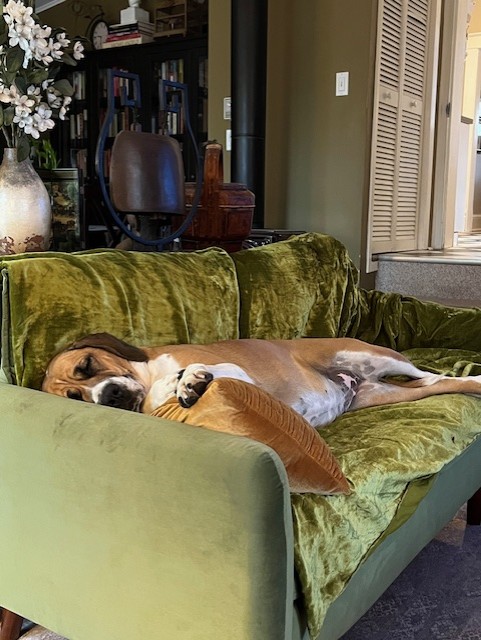
Now we are blessed with the grace and absolute devotion of Greta, a Redbone Coonhound rescue from North Carolina. She’d been living wild and had no experience with houses, mirrors, TVs or furniture. Needless to say she is loving every bed in the house
Enjoy your bears of all shapes and sizes! What would we do without them?
Check out this podcast Review of book to find out what it’s all about and what the hosts of the episode thought.
The Time Eater Podcast Review: Listen Now
Coming Soon–The Time Eater Book Launch on Amazon, Kobo, Ingram Spark and Barnes & Noble!
This episode of the podcast is called: “The Time Eater” – A Paleontological Mystery
In this episode the two enthusiastic hosts review “The Time Eater” and get into what they think the book is about, its the key themes and plot points. They do a great job of capturing the essence of the book and provide a compelling introduction to anybody wondering if this is a great book for them.
What’s the book all about?
The book is an adventure mystery novel that centers around Foster Raymond, a young paleontologist who sets out on a quest to uncover the truth behind his grandfather’s suspicious death, why his last fossil dig logbook was stolen, and what the series of coded clues his grandfather left behind are pointing towards—while confronting a ruthless fossil thief known as the “Time Eater.”
What do the hosts of the podcast think of The Time Eater?
“The book is like Indiana Jones—but with Dinosaurs!”
Paleontology and Scientific Discovery in general are both exciting and potentially dangerous. The novel explores the competitive nature of the field, where the promise of fame and fortune can corrupt individuals and lead to conflict and betrayal. As one of the hosts said, “Remember, we’re talking about a world where these groundbreaking discoveries can lead to a lot of fame and fortune. And not everyone in that world plays by the rules.”
Family Secrets and Legacy: Foster’s journey is driven by a desire to uncover the truth behind his death. The buried fossil gear, the stolen notebook, and the cryptic clues all suggest a hidden history and family secrets—making for an exciting and suspenseful adventure.
The Importance of Fossil Preservation: The “Time Eater” is a villain who is destroying the fossil record for personal gain. As one host remarked, “Essentially, He’s robbing the scientific community of crucial discoveries.” Throughout, the book drive home the importance of protecting all fossil discoveries as connections to our collective history.
Interconnectedness of Past and Present: The discoveries made by Foster challenge established scientific knowledge and invite readers to reconsider long-held views. The discovery of the “Crystal Garden” and other unusual finds shows how uncovering the past can reshape our present understanding. As one host put it, “Every new discovery has the potential to rewrite the textbooks, challenge all of our assumptions.”
“The Time Eater” is not just a paleontology-based adventure but is also a novel about family secrets, personal growth, and the importance of scientific discovery and preservation. The story blends scientific intrigue with action and emotional depth. As the podcast hosts conclude, “the story of Foster Raymond and the time eater is a testament to the enduring power of curiosity, the thrill of discovery, and the importance of preserving our shared scientific heritage.”
Not another bad sci-fi movie. Not a biblical prophecy. It’s real, and it’s hitting tiny New Brunswick town, McAdam, yet again.
In the past few weeks up to thirty small earthquakes have battered the town of just over 1200 people, located a couple of hours northwest of St. John. The quakes are strong enough to knock plates off shelves and break windows. And they’re hitting frequently enough that townspeople have felt as many as 20 in one night—making sleep difficult for many.
Thing is, this isn’t the first time McAdam has suffered such a swarm. Back in 2010 they were hit by a wave of earthquakes lasting fifty days. And then again, two years later, the tremors returned for ten more days.
They may not be large magnitude events, but the frequency has to make life in the small town interesting at best.
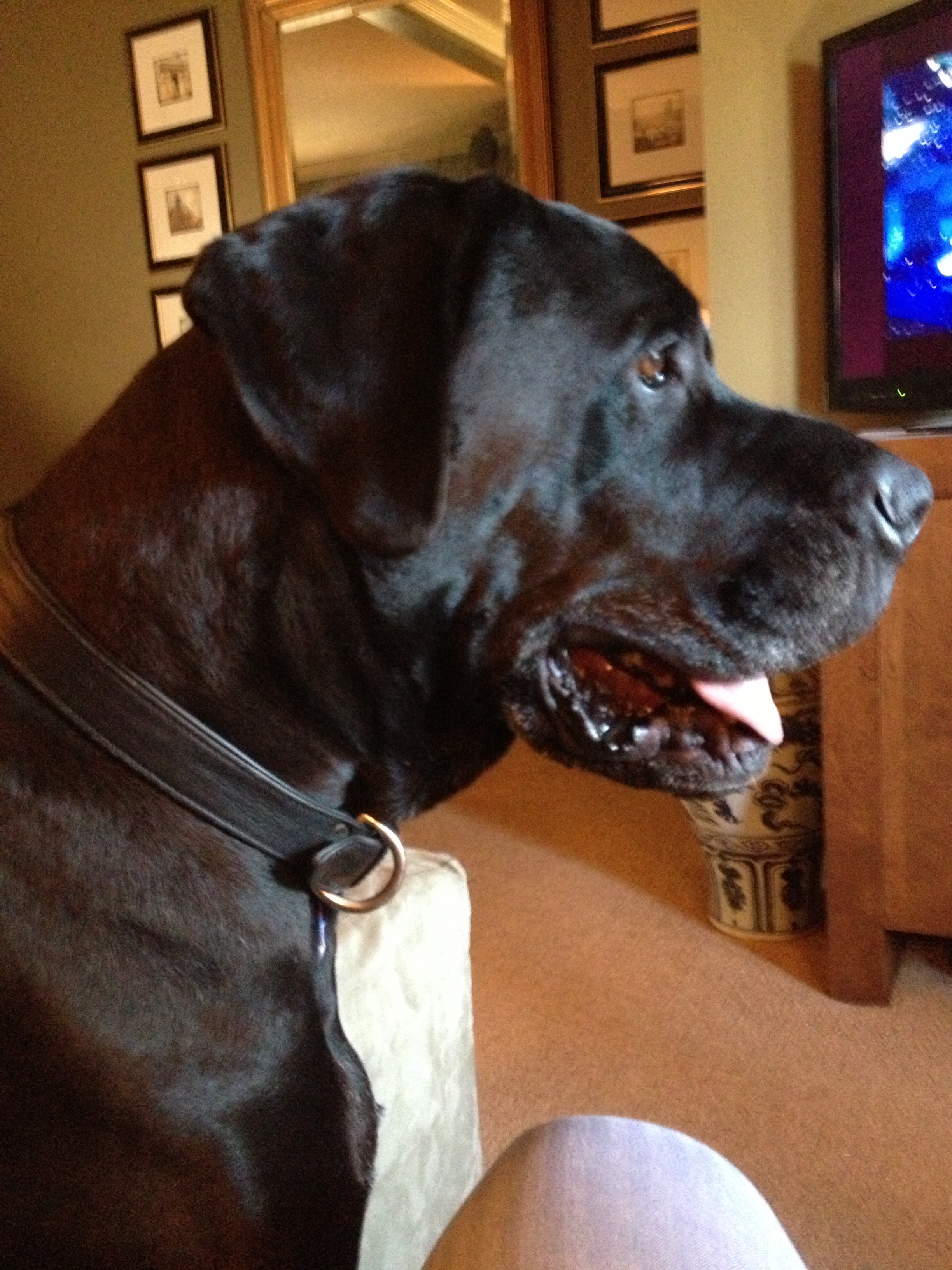
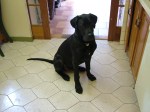
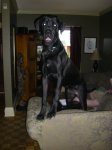
So crushing, it’s hard to even write about. Our wonderful giant bear, Digby has passed away. The 165lb Dane-mastiff with the colossal heart, opened up our lives and gave us so much love.
He was taken far too soon.
Now, everywhere I turn I see either a reminder of him or a hole where he should be.
The smiles, the paws, the best days we had together—I’ll never forget.
For the first time in more than twenty years the five Great Lakes are almost 90% frozen. In one of the weirdest weather winters in memory Huron, Ontario, Michigan, Erie and Superior have iced over, creating opportunities for people( and Digby our Dane/Mastiff cross) to walk to islands or visit sea caves not previously possible. Even here in Toronto we’re enjoying the ability to walk from our condo-packed waterfront across the busy harbor to the serenity of the Toronto Islands. And from the Islands, across the narrow Eastern Gap, to the off-leash dog area of Cherry Beach or the vast bird sanctuary of the Leslie Street Spit. Check out these pics: http://www.buzzfeed.com/passantino/the-great-lakes-are-nearly-frozen-over-for-the-first-time-in
The Time Eater: A Foster Raymond Fossil Hunter Novel is available now in paperback and eBook at Amazon.ca and as an eBook at Indigo, Kobo and Barnes & Noble














Leave a comment