Dinosaur types explained—what the fossil record tells us about Tyrannosaurus rex versus Triceratops

T Rex

Not all dinosaurs are created equal – there are many different types that can be organized into groups around common features that they share. So, what exactly are the different groups and what do those groups tell us about evolution, extinction and the animals that share our world today?

What are the different types of dinosaurs?

Dinosaurs are classified into two main groups or clades:

Saurischia

Saurischia is a major group of dinosaurs known as a clade. Traditionally, dinosaurs were divided into two orders—Saurischia (lizard-hipped) and Ornithischia (bird-hipped). Today, many scientists see Saurischia more as a clade, which means it’s a group of species that share a common ancestor, rather than a strict order or genus. This clade includes both the meat-eating theropods and the long-necked sauropodomorphs.

What does Saurischia mean?

 The term Saurischia is used to describe a group of dinosaurs whose hip structure is similar to that of modern lizards. The name comes from the Greek words “sauros,” meaning lizard, and “ischion,” meaning hip. This group includes both meat-eating theropods and the long-necked sauropodomorphs. The lizard-like hip bones are a key characteristic that sets them apart from the other major dinosaur group, Ornithischia, or “bird-hipped” dinosaurs.

What types of dinosaurs belong to the Saurischia clade?

The Saurischia group is divided into two sub-categories of dinosaurs:

Theropods:
These were mostly two-legged, meat-eating dinosaurs. Famous examples include Tyrannosaurus rex and Velociraptor. They often had sharp teeth and claws, and some later evolved into birds starting about 150 million years ago.

Sauropodomorphs:
This group includes the long-necked, four-legged herbivores such as Diplodocus and Brachiosaurus. They were among the largest land animals, known for their massive bodies, long tails, and relatively small heads.

Modern bird descended from dinosaurs

What are some living examples of Saurischia?

Somewhat confusingly, modern birds are ancestors of ancient theropods rather than members of the Ornithischia clade. Apparently, the reason is, it’s all in the hips! Modern birds descend from dinosaurs like T. rex which had lizard-like hip bones. Whereas dinosaurs like Triceratops, although they had ‘bird-like hip structures’, did not evolve into today’s avian species.

If anyone can make more sense out of that classification kerfuffle, please help us out in the comments below.

How did Theropods evolve into modern birds?

This is one of the great stories of evolution. One that is still being written. It’s such a massive leap to see the prehistoric characteristics of a colossal Tyrannosaur in the tiny features of the pigeon hopping around your local town square.

It all started about 150 million years ago, give or take a few millennia. And it took the accretion of many small changes over that incredibly long time period for the predatory dinos of the Late Jurassic age to evolve away from early, relatively small tyrannosauroids into today’s French fry stealing seagull.

Here’s how it might have gone:

Feathers First:
Early theropods started growing feathers. At first, these feathers might have helped with keeping warm or displaying to mates, rather than flying.

From Insulation to Flight:
As feathers became more complex, they helped some theropods glide or move through the air. Over time, these gliding abilities improved into true powered flight.

Skeleton Changes:
The bones of these dinosaurs gradually became lighter and more adapted for flight. For example, some bones fused together to create a strong yet lightweight structure, similar to what we see in modern birds.

Other Adaptations:
Over time, other features evolved, like the development of a beak (replacing teeth) and changes in muscle structure, which made flight more efficient.

Fossils like Archaeopteryx show a mix of dinosaur and bird features, giving us a glimpse into this long evolutionary journey.

Ornithischia

The other major clade of dinosaurs is Ornithischia which covers ornithopods, thyreophorans, and ceratopsians.

What does Ornithischia mean?

Ornithischia comes from the Greek words “ornithos” (bird) and “ischion” (hip). This name refers to the hip structure of these dinosaurs, which some thought was similar to that of modern birds. However, as we’ve already seen, despite the name, ornithischians are not directly related to modern birds.

What types of dinosaurs belong to the Ornithischia clade?

This clade breaks out into three main kinds of Ornithischia.

Ornithopods (Ornithischia):
These herbivores ranged from small, fast runners to larger, duck-billed dinosaurs like Hadrosaurs and Iguanodon. Many were bipedal, which means they could walk on two legs, especially when moving quickly.

Thyreophorans (Ornithischia):
Known as armored dinosaurs, this group includes creatures like Stegosaurus and Ankylosaurus. They were covered in bony plates, spikes, or armor, which helped protect them from predators.

Ceratopsians (Ornithischia):
These dinosaurs, such as Triceratops, had distinctive beaks, frills, and horns. Their features likely helped in defense and possibly in display or social interactions.

Triceratops

Are there living examples of Ornithischia?

Unfortunately, we said goodbye to the herbivorous Ornithischia dinosaurs during the Cretaceous period 66 million years ago.  Unlike theropods, which gave rise to modern birds, there are no living descendants of ornithischian dinosaurs.

Why did the Ornithischian dinosaurs go extinct?

Ornithischian dinosaurs went extinct as part of the mass extinction event at the end of the Cretaceous period, which was likely caused by a large asteroid impact near what is now the Yucatán Peninsula. This impact likely triggered wildfires, tsunamis, and a “nuclear winter” effect that disrupted food chains.

At the same time, the situation wasn’t helped by widespread, significant volcanic activity, such as the eruptions that created the Deccan Traps in present-day India, which may have worsened the environmental stress on land-based dinosaurs.

All members of this clade, such as hadrosaurs, ceratopsians, stegosaurs, and ankylosaurs, disappeared during this mass extinction event—the fifth mass extinction event in Earth’s history, also known as the  Cretaceous-Paleogene (K-Pg) extinction event.

What are the “big five” mass extinctions?

The “big five” mass extinctions include:

  1. End-Ordovician (around 444 million years ago):
    • What went extinct: This event mostly hit marine life. Many types of brachiopods, trilobites, graptolites, and early reef-building organisms disappeared. Since most life at the time was in the ocean, the extinction mainly impacted sea creatures.
  2. Late Devonian (around 372–359 million years ago):
    • What went extinct: This extinction affected marine communities over an extended period. Major losses occurred among armored fish (placoderms), many reef-building organisms, and other marine invertebrates. The decline in these groups reshaped marine ecosystems and affected early terrestrial life as well.
  3. Permian-Triassic (about 252 million years ago):
    • What went extinct: Known as the “Great Dying,” this was the most severe mass extinction. It wiped out a vast number of species—up to 90% of marine species and a large proportion of terrestrial species. Many marine invertebrates, such as trilobites and brachiopods, vanished. On land, many amphibians, early reptiles (including many synapsids that would eventually lead to mammals), and various insects were hit hard.
  4. Triassic-Jurassic (around 201 million years ago):
    • What went extinct: This event mainly impacted many groups of reptiles and amphibians. Some large amphibians and non-dinosaurian archosaurs were lost, which opened ecological niches that allowed dinosaurs to become the dominant land vertebrates in the following Jurassic period.
  5. Cretaceous-Paleogene (around 66 million years ago):
    • What went extinct: This extinction event is famous for the loss of non-avian dinosaurs. In addition, many marine reptiles, ammonites (spiral-shelled cephalopods), and a variety of other marine invertebrates were wiped out. While some bird lineages survived, the overall impact reshaped both marine and terrestrial ecosystems.

The story of dinosaurs and their modern descendants in a nutshell

So, there you have it. Birds came from Theropods, starting about 150 million years ago. They evolved enough to have gained the ability to fly by the K-Pg asteroid strike. And, when all the land-based dinosaurs went extinct the birds were able to carry on—surviving to frequent the feeder hanging in your backyard right now.

Check out The Time Eater: A Foster Raymond Fossil Hunter mystery/adventure novel for young teens. Available in paperback and eBook on Amazon. Or as an eBook at Indigo, Kobo and Barnes & Noble
Leave a comment

Where to Find Fossils in your Area

The Time Eater novel, available now in paperback and eBook on Amazon

eBook at Indigo, Kobo and Barnes & Noble

Geologic Map of Fossil Hunting Locations

Fossil hunting in the city (Paleontology in the park)

Even if you live in a big city you can still find good fossil hunting sites

I spent my childhood sitting in the dirt. Under a hot sun. Beside or sometimes shin-deep in a creek or shallow river. Turning over rocks, splitting stones—hunting for fossils.

In Toronto that meant heading out into the river valleys that carve up the urban landscape. Waterways like the Humber, the Don, the Etobicoke or Mimico creeks.

Those were some of my favorite days, no question. Accompanied by friends. Unearthing treasure troves of Trilobites, ferns and Ammonites, and often something larger.

The thrill of a great find, of rushing home with it in my bag, was electric. I couldn’t wait to clean it and identify it—preserve it as part of my collection.

That’s where my passion for fossil hunting began.

And now, years later, we’ve moved out of the city to a smaller community to the east. It’s still on Lake Ontario and it has much the same geology. But now I’m faced with a pressing question:

I’m sitting at home wanting to go on a dig, but I don’t know where. What kinds of places in my local area would be the best spots to look for fossils? Which areas have geological conditions that are likely to have preserved fossils? Which ones are easily accessible?

This article will give you some insights into what types of places are target-rich environments if you’re looking for fossils and what kinds of sites in your area you should check out first if you’re heading out on a dig.

Where to Find Fossils: A Guide to the Best Locations

Whether you’re an amateur enthusiast or a seasoned paleontologist, knowing where to look is essential. Here are some of the best types of places to find fossils, along with tips to enhance your search.

Sedimentary Rock Formations

What is sedimentary rock?

Sedimentary rock forms when small pieces of other rocks, minerals, and sometimes organic matter settle in layers and harden over time. Really long periods of time—like anywhere from thousands to millions of years. Sedimentary rock forms slowly as layers of sediment are deposited, compacted, and then cemented together over long periods. For example, in a river or lake, sediments might start settling in a matter of years or decades, but turning those loose layers into solid rock usually takes much longer. Often, environmental factors like climate, water chemistry, and the amount of sediment available can speed up or slow down the process.

These bits, known as sediments, come from weathering and erosion. Once they are deposited—often by water, wind, or ice—they slowly compact and are cemented together by minerals that fill the gaps between the particles. Sandstone, limestone, and shale are common examples of sedimentary rocks. Often, these rocks display clear layers and often contain fossils, providing a history of past environments and life forms—and a perfect dig site for fossil hunters.

The great thing about sedimentary rock is that there are formations everywhere. Even in the middle of the busiest cities. Since they often form in and around water bodies—look for stream, creeks, rivers, ponds and lakes in your area..

Examples of sedimentary rock

Most fossils are found in sedimentary rocks, so look for areas with exposed layers of limestone, shale, or sandstone, as these often harbor preserved remains of plants and animals.

Limestone

Limestone is a type of sedimentary rock mainly made up of calcium carbonate. It often forms in shallow, warm marine waters where tiny sea creatures like shells and corals leave behind their remains. Over time, these remains pile up, compact, and cement together to form the rock. Limestone is widely used in construction, as a raw material for cement, and even in making lime for various industrial uses.

Shale

Shale is a sedimentary rock made mostly of clay and tiny silt particles. It forms in calm environments like deep lake beds or ocean floors where fine particles settle slowly. Over time, these particles compact and stick together, creating layers that can split apart easily. Shale is common and often holds clues about past environments, sometimes even storing oil or gas within its layers.

Sandstone

Sandstone is a sedimentary rock formed from grains of sand that are compacted and cemented together over time. These sand grains come from the weathering of other rocks. As they settle in layers, minerals like silica or calcite fill the gaps and bind the grains into a solid rock. Sandstone often shows clear layers and can have a range of colors depending on the minerals present. It’s widely used in construction and can be seen in many natural landscapes around the world.

Since sandstone often displays layers that reflect its formation conditions, looking at a sandstone formation is kind of like reading a landscape’s history, unveiling past environmental states.

What kinds of fossils can be found in sedimentary rock formations?

Limestone often contains fossils from ancient marine environments. You can find remains of shells, corals, and brachiopods, which were common in shallow seas. Some types of algae and tiny organisms like foraminifera are also preserved. These fossils help scientists understand the environment where the limestone formed, giving clues about ancient sea beds and the life that once lived there.

Fossil in Limestone

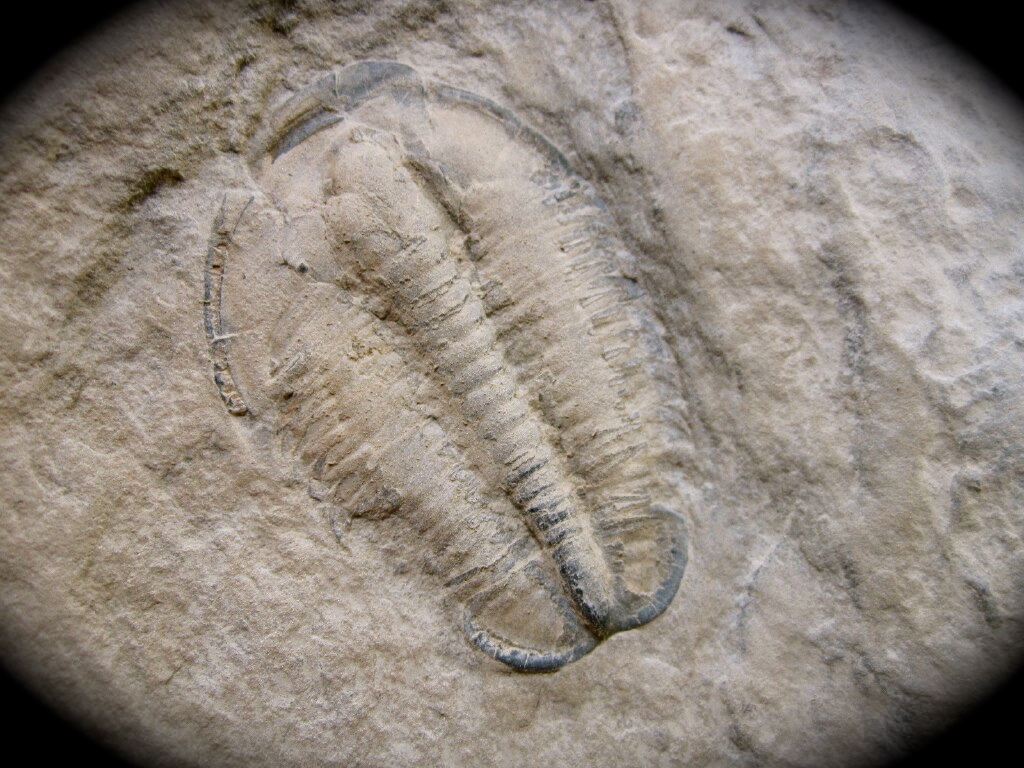
Shale often holds impressions of plants or small invertebrates. Shale can preserve a range of fossils thanks to its fine, layered structure. In marine shale, you might find small sea creatures such as trilobites, brachiopods, or mollusks. In some cases, graptolites or tiny invertebrates are well preserved. When shale forms in freshwater settings, plant remains or even insects might be found. The fine particles and low-energy environments help keep delicate structures intact, providing a clear snapshot of ancient life.

Fossil in Shale

Sandstone sometimes holds fossils, though it doesn’t always preserve them as well as other rocks like limestone. The most common fossils in sandstone are trace fossils. These include footprints, burrows, and other marks left by ancient animals. Sometimes, you might also find the harder parts of organisms, such as shells or bones, that managed to survive the process of cementation. If you’re lucky enough to have sandstone formations in your area, they will often provide clues about the behavior and movement of ancient life rather than detailed remains.

Fossils in Sandstone

Even if you live in a big city you can find fossils nearby

You may think that fossil hunting is something that happens out in the wilds, in remote sites that are far from the city and hard to access. But that’s not really the case. Even in the densest of cities it’s often possible to find little corners of fossil-friendly nature amongst the busy roads and soaring towers. You just have to know where to look.

Checking out local waterways is often the best place to start

Most towns and cities were built in a specific location because it has water access. Whether it’s ocean or sea front, on the shores of a lake or at the mouth of a river or creek it was chosen because the water gave people a way to move goods like lumber or crops that were needed for everyday use.

Lucky for us those same bodies of water are prime locations for finding exposed sedimentary rock beds and formations—which are the best places for fossil hunting.

Flowing water can erode sedimentary rock, revealing embedded fossils. Riverbeds, streams, and lake shores are excellent places to search, especially after storms or high water levels. These areas often yield smaller fossils like fish, amphibians, and plant material. Beaches, particularly those with cliffs made of sedimentary rock, can also yield treasures such as ammonites or trilobites. Lyme Regis in the UK, part of the Jurassic Coast, is a famous fossil hotspot. Flowing water can erode sedimentary rock, revealing embedded fossils.

Does your city have a lakefront or ocean beach? Perhaps there’s a river running through the middle of town or creeks and streams cut across the village. If so, those are some of the best places to start.

Etobicoke Creek fossil bed

Solid advice on finding fossils in your town

Given all of the above, I’d look for a stream, creek or river. And then walk it looking for one of those little rock beaches that tend to be uncovered at places where the waterway bends.

Look for flat slabs of grey black rock-that’s shale.

If you’re near a lake, go down to the shore and look for limestone outcroppings, which usually appear as big blocks of light grey stone often eroded into unique shapes.

Road Cuts and Construction Sites!!!

If you live in a city or town like most of us, there are unique opportunities to find fossils in the built-up environment—places you may not normally thing to look.

And that’s because, in most places, construction is a year-long endeavour. Something’s always being dug up.

And that opens up chances for us to make fossil finds that would have been otherwise hidden. New holes, dirt, soil and rock will be exposed. Layers of built-up sediment will be overturned.

This is your chance to make a new discovery.

But—always be careful. Construction sites are dangerous places. Don’t sneak into places where you’re not allowed or where there are risks.

While these areas might not be as extensive as natural formations, they can still yield surprising finds, including marine fossils, plant impressions, or small vertebrates. Be mindful of safety and regulations when exploring these areas. Newly exposed rock from road construction or excavation sites can reveal fossil-rich layers.

Watch when the city digs in your area and check out what gets temporarily exposed when they break ground. Keep in mind that every foot down they excavate is another leap back into our distant past.

While these areas might not be as extensive as natural formations, they can still yield surprising finds. Be mindful of safety and regulations when exploring these areas.

construction site for fossil dig

Wrap up

Now that I’m looking for new dig locations in my new town, I’ve started looking for likely shale deposits along the river that cuts through the center of the city, I’m checking out the land along the lake shore for limestone formations. And, of course, watching out for the unexpected opportunities sometimes created by new roadworks or excavations for a new building.

I’m creating my fossil hunting plan for the coming dig season and almost can’t wait. Armed this knowledge you can start building your own plan that should result in lots of new fossil finds and super rewarding summer.

Happy hunting!

New Fossil Hunting Podcast Review of The Time Eater

The Time Eater novel, available now in paperback and eBook on Amazon

eBook at Indigo, Kobo and Barnes & Noble

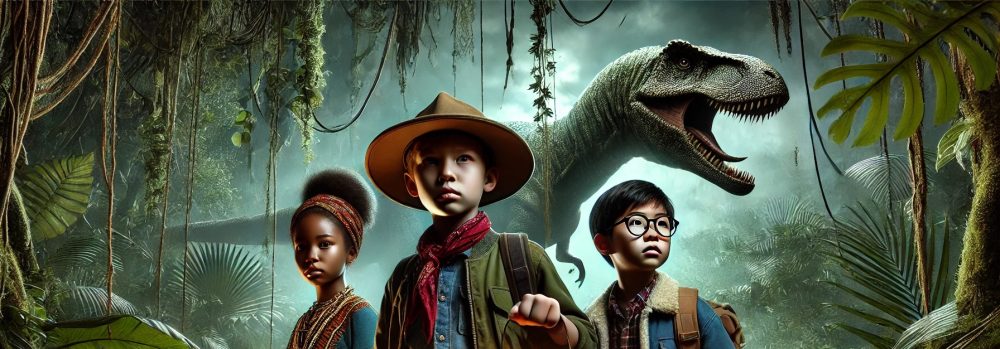
Image of The Time Eater Characters with a Prompt to Listen to the Fossil Hunter Podcast

Check out this podcast Review of book to find out what it’s all about and what the hosts of the episode thought.

The Time Eater Podcast Review: Listen Now

Coming Soon–The Time Eater Book Launch on Amazon, Kobo, Ingram Spark and Barnes & Noble!

This episode of the podcast is called: “The Time Eater” – A Paleontological Mystery

In this episode the two enthusiastic hosts review “The Time Eater” and get into what they think the book is about, its the key themes and plot points. They do a great job of capturing the essence of the book and provide a compelling introduction to anybody wondering if this is a great book for them.

What’s the book all about?

The book is an adventure mystery novel that centers around Foster Raymond, a young paleontologist who sets out on a quest to uncover the truth behind his grandfather’s suspicious death, why his last fossil dig logbook was stolen, and what the series of coded clues his grandfather left behind are pointing towards—while confronting a ruthless fossil thief known as the “Time Eater.”

What do the hosts of the podcast think of The Time Eater?

“The book is like Indiana Jones—but with Dinosaurs!”

  • Paleontology and Scientific Discovery in general are both exciting and potentially dangerous. The novel explores the competitive nature of the field, where the promise of fame and fortune can corrupt individuals and lead to conflict and betrayal. As one of the hosts said, “Remember, we’re talking about a world where these groundbreaking discoveries can lead to a lot of fame and fortune. And not everyone in that world plays by the rules.”
  • Family Secrets and Legacy: Foster’s journey is driven by a desire to uncover the truth behind his death. The buried fossil gear, the stolen notebook, and the cryptic clues all suggest a hidden history and family secrets—making for an exciting and suspenseful adventure.
  • The Importance of Fossil Preservation: The “Time Eater” is a villain who is destroying the fossil record for personal gain. As one host remarked, “Essentially, He’s robbing the scientific community of crucial discoveries.” Throughout, the book drive home the importance of protecting all fossil discoveries as connections to our collective history.  
  • Interconnectedness of Past and Present: The discoveries made by Foster challenge established scientific knowledge and invite readers to reconsider long-held views. The discovery of the “Crystal Garden” and other unusual finds shows how uncovering the past can reshape our present understanding. As one host put it, “Every new discovery has the potential to rewrite the textbooks, challenge all of our assumptions.”

The Time Eater” is not just a paleontology-based adventure but is also a novel about family secrets, personal growth, and the importance of scientific discovery and preservation. The story blends scientific intrigue with action and emotional depth. As the podcast hosts conclude, “the story of Foster Raymond and the time eater is a testament to the enduring power of curiosity, the thrill of discovery, and the importance of preserving our shared scientific heritage.”

To see what The Time Eater is like check out this free sample of the book’s beginning

–Andy Haynes

Find out more about Andy Haynes on LinkedIn and Instagram.

Fossil Hunting Rewrites History with New Dinosaur Discoveries

Find out more about Andy Haynes on LinkedIn and Instagram.

Imagine peering into a time capsule millions of years old. That’s exactly what paleontologists do, and recently, their discoveries have been nothing short of extraordinary. From a dinosaur’s last meal to the earliest African dinosaur, these fossil finds are rewriting our understanding of prehistoric life. In this blog post, we’ll delve into some of the most exciting recent discoveries, shedding light on the incredible creatures that once roamed our planet.

Frog-Eating Dinosaur (Daurlong Wangi):

The recent discovery of Daurlong wangi, a small, bird-like dinosaur from Inner Mongolia, has provided paleontologists with an unprecedented glimpse into the diet of these ancient creatures. This remarkably well-preserved fossil, dating back approximately 130-120 million years, contained the partial skeleton of a frog within its ribcage. This groundbreaking find marks the first direct evidence of a dinosaur’s last meal, offering invaluable insights into the feeding habits and ecological role of these fascinating creatures.

The discovery of Daurlong wangi not only provides a snapshot of a dinosaur’s diet but also highlights the incredible preservation potential of certain fossil sites. The delicate nature of the frog’s remains underscores the exceptional conditions that must have existed to preserve such fragile evidence. This discovery serves as a testament to the ongoing efforts of paleontologists to unravel the mysteries of the past and piece together the intricate web of life that existed millions of years ago.

Discovery of the Oldest African Dinosaur

The discovery of Mbiresaurus raathi in Zimbabwe has pushed back the timeline of dinosaur evolution in Africa by millions of years. This 230-million-year-old dinosaur, a small, early ancestor of the iconic sauropods, provides crucial evidence for the early diversification of dinosaurs across the ancient supercontinent of Pangaea.  

Prior to this discovery, the fossil record of early dinosaurs in Africa was relatively sparse, leaving a significant gap in our understanding of dinosaur evolution on this continent. Mbiresaurus raathi fills this gap, offering valuable insights into the early stages of dinosaur evolution and shedding light on the ecological communities that existed during the Late Triassic period. The discovery of this dinosaur highlights the importance of continued paleontological research in Africa, which promises to unveil more surprises about the early history of these fascinating creatures.  

World’s Oldest DNA:

The recent discovery of two-million-year-old DNA from Greenland has shattered previous records and opened a new chapter in our understanding of ancient life. This groundbreaking achievement, published in the journal Nature, represents a significant leap forward in paleogenetics, pushing the boundaries of what we thought was possible to recover and analyze.  

The researchers extracted the ancient DNA from sediment samples collected from the Kap København Formation in northern Greenland. This region, once a lush landscape teeming with life, offered exceptional preservation conditions for ancient DNA due to the permafrost and ice. By carefully analyzing the genetic material, the scientists were able to identify a diverse array of organisms that inhabited this ancient ecosystem, including birds, reindeer, hares, and even mastodons, an extinct group of elephant relatives.  

A Glimpse into the Past

These recent fossil discoveries offer a glimpse into the incredible diversity and complexity of life that existed millions of years ago. From the intimate details of a dinosaur’s last meal to the earliest known African dinosaur and the oldest DNA ever recovered, these finds are pushing the boundaries of our understanding of prehistoric life. As paleontological research continues to advance, we can expect even more astonishing discoveries that will rewrite our understanding of the past and shed light on the remarkable journey of life on Earth.

And keep in mind, not all fossil digs happen in remote places like Greenland or Africa. You can find great places to dig right in your own neighborhood–even if you live in a big city. Check out this blog to find out more.

The Time Eater novel, available now in paperback and eBook on Amazon

eBook at Indigo, Kobo and Barnes & Noble

.