
The Time Eater novel, available now in paperback and eBook on Amazon
eBook at Indigo, Kobo and Barnes & Noble
Fossil hunting in the city (Paleontology in the park)
Even if you live in a big city you can still find good fossil hunting sites
I spent my childhood sitting in the dirt. Under a hot sun. Beside or sometimes shin-deep in a creek or shallow river. Turning over rocks, splitting stones—hunting for fossils.
In Toronto that meant heading out into the river valleys that carve up the urban landscape. Waterways like the Humber, the Don, the Etobicoke or Mimico creeks.
Those were some of my favorite days, no question. Accompanied by friends. Unearthing treasure troves of Trilobites, ferns and Ammonites, and often something larger.
The thrill of a great find, of rushing home with it in my bag, was electric. I couldn’t wait to clean it and identify it—preserve it as part of my collection.
That’s where my passion for fossil hunting began.
And now, years later, we’ve moved out of the city to a smaller community to the east. It’s still on Lake Ontario and it has much the same geology. But now I’m faced with a pressing question:
I’m sitting at home wanting to go on a dig, but I don’t know where. What kinds of places in my local area would be the best spots to look for fossils? Which areas have geological conditions that are likely to have preserved fossils? Which ones are easily accessible?
This article will give you some insights into what types of places are target-rich environments if you’re looking for fossils and what kinds of sites in your area you should check out first if you’re heading out on a dig.
Where to Find Fossils: A Guide to the Best Locations
Whether you’re an amateur enthusiast or a seasoned paleontologist, knowing where to look is essential. Here are some of the best types of places to find fossils, along with tips to enhance your search.
Sedimentary Rock Formations
What is sedimentary rock?
Sedimentary rock forms when small pieces of other rocks, minerals, and sometimes organic matter settle in layers and harden over time. Really long periods of time—like anywhere from thousands to millions of years. Sedimentary rock forms slowly as layers of sediment are deposited, compacted, and then cemented together over long periods. For example, in a river or lake, sediments might start settling in a matter of years or decades, but turning those loose layers into solid rock usually takes much longer. Often, environmental factors like climate, water chemistry, and the amount of sediment available can speed up or slow down the process.
These bits, known as sediments, come from weathering and erosion. Once they are deposited—often by water, wind, or ice—they slowly compact and are cemented together by minerals that fill the gaps between the particles. Sandstone, limestone, and shale are common examples of sedimentary rocks. Often, these rocks display clear layers and often contain fossils, providing a history of past environments and life forms—and a perfect dig site for fossil hunters.
The great thing about sedimentary rock is that there are formations everywhere. Even in the middle of the busiest cities. Since they often form in and around water bodies—look for stream, creeks, rivers, ponds and lakes in your area..
Examples of sedimentary rock
Most fossils are found in sedimentary rocks, so look for areas with exposed layers of limestone, shale, or sandstone, as these often harbor preserved remains of plants and animals.
Limestone
Limestone is a type of sedimentary rock mainly made up of calcium carbonate. It often forms in shallow, warm marine waters where tiny sea creatures like shells and corals leave behind their remains. Over time, these remains pile up, compact, and cement together to form the rock. Limestone is widely used in construction, as a raw material for cement, and even in making lime for various industrial uses.
Shale
Shale is a sedimentary rock made mostly of clay and tiny silt particles. It forms in calm environments like deep lake beds or ocean floors where fine particles settle slowly. Over time, these particles compact and stick together, creating layers that can split apart easily. Shale is common and often holds clues about past environments, sometimes even storing oil or gas within its layers.
Sandstone
Sandstone is a sedimentary rock formed from grains of sand that are compacted and cemented together over time. These sand grains come from the weathering of other rocks. As they settle in layers, minerals like silica or calcite fill the gaps and bind the grains into a solid rock. Sandstone often shows clear layers and can have a range of colors depending on the minerals present. It’s widely used in construction and can be seen in many natural landscapes around the world.
Since sandstone often displays layers that reflect its formation conditions, looking at a sandstone formation is kind of like reading a landscape’s history, unveiling past environmental states.
What kinds of fossils can be found in sedimentary rock formations?
Limestone often contains fossils from ancient marine environments. You can find remains of shells, corals, and brachiopods, which were common in shallow seas. Some types of algae and tiny organisms like foraminifera are also preserved. These fossils help scientists understand the environment where the limestone formed, giving clues about ancient sea beds and the life that once lived there.
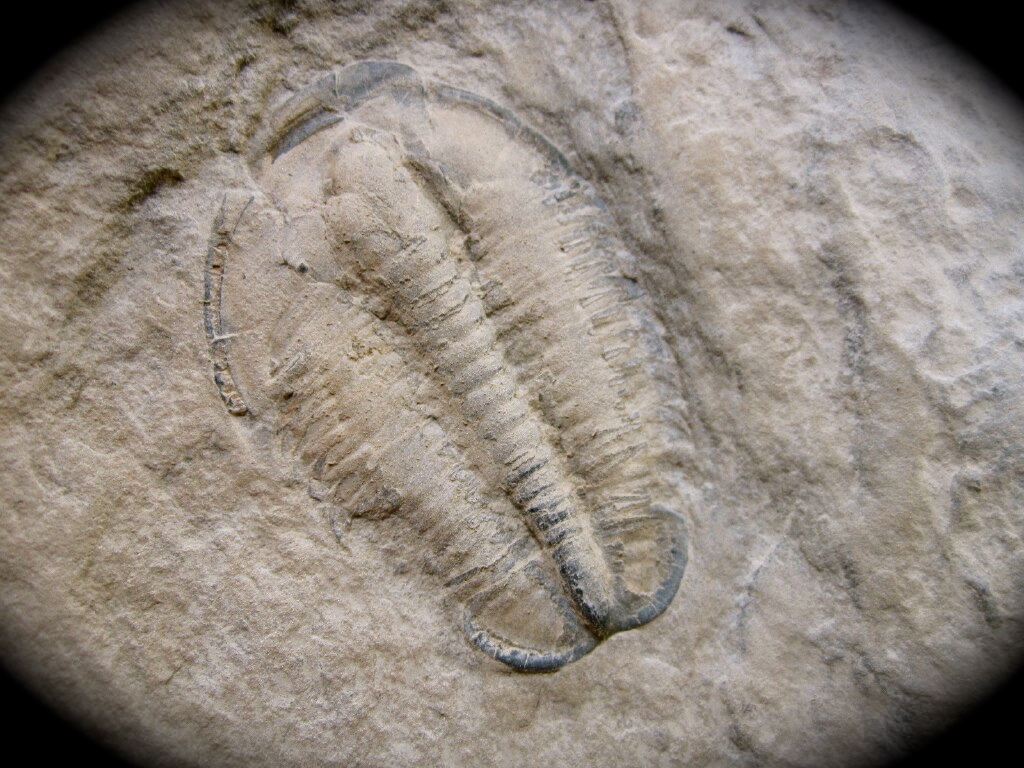
Shale often holds impressions of plants or small invertebrates. Shale can preserve a range of fossils thanks to its fine, layered structure. In marine shale, you might find small sea creatures such as trilobites, brachiopods, or mollusks. In some cases, graptolites or tiny invertebrates are well preserved. When shale forms in freshwater settings, plant remains or even insects might be found. The fine particles and low-energy environments help keep delicate structures intact, providing a clear snapshot of ancient life.

Sandstone sometimes holds fossils, though it doesn’t always preserve them as well as other rocks like limestone. The most common fossils in sandstone are trace fossils. These include footprints, burrows, and other marks left by ancient animals. Sometimes, you might also find the harder parts of organisms, such as shells or bones, that managed to survive the process of cementation. If you’re lucky enough to have sandstone formations in your area, they will often provide clues about the behavior and movement of ancient life rather than detailed remains.

Even if you live in a big city you can find fossils nearby
You may think that fossil hunting is something that happens out in the wilds, in remote sites that are far from the city and hard to access. But that’s not really the case. Even in the densest of cities it’s often possible to find little corners of fossil-friendly nature amongst the busy roads and soaring towers. You just have to know where to look.
Checking out local waterways is often the best place to start
Most towns and cities were built in a specific location because it has water access. Whether it’s ocean or sea front, on the shores of a lake or at the mouth of a river or creek it was chosen because the water gave people a way to move goods like lumber or crops that were needed for everyday use.
Lucky for us those same bodies of water are prime locations for finding exposed sedimentary rock beds and formations—which are the best places for fossil hunting.
Flowing water can erode sedimentary rock, revealing embedded fossils. Riverbeds, streams, and lake shores are excellent places to search, especially after storms or high water levels. These areas often yield smaller fossils like fish, amphibians, and plant material. Beaches, particularly those with cliffs made of sedimentary rock, can also yield treasures such as ammonites or trilobites. Lyme Regis in the UK, part of the Jurassic Coast, is a famous fossil hotspot. Flowing water can erode sedimentary rock, revealing embedded fossils.
Does your city have a lakefront or ocean beach? Perhaps there’s a river running through the middle of town or creeks and streams cut across the village. If so, those are some of the best places to start.

Solid advice on finding fossils in your town
Given all of the above, I’d look for a stream, creek or river. And then walk it looking for one of those little rock beaches that tend to be uncovered at places where the waterway bends.
Look for flat slabs of grey black rock-that’s shale.
If you’re near a lake, go down to the shore and look for limestone outcroppings, which usually appear as big blocks of light grey stone often eroded into unique shapes.
Road Cuts and Construction Sites!!!
If you live in a city or town like most of us, there are unique opportunities to find fossils in the built-up environment—places you may not normally thing to look.
And that’s because, in most places, construction is a year-long endeavour. Something’s always being dug up.
And that opens up chances for us to make fossil finds that would have been otherwise hidden. New holes, dirt, soil and rock will be exposed. Layers of built-up sediment will be overturned.
This is your chance to make a new discovery.
But—always be careful. Construction sites are dangerous places. Don’t sneak into places where you’re not allowed or where there are risks.
While these areas might not be as extensive as natural formations, they can still yield surprising finds, including marine fossils, plant impressions, or small vertebrates. Be mindful of safety and regulations when exploring these areas. Newly exposed rock from road construction or excavation sites can reveal fossil-rich layers.
Watch when the city digs in your area and check out what gets temporarily exposed when they break ground. Keep in mind that every foot down they excavate is another leap back into our distant past.
While these areas might not be as extensive as natural formations, they can still yield surprising finds. Be mindful of safety and regulations when exploring these areas.

Wrap up
Now that I’m looking for new dig locations in my new town, I’ve started looking for likely shale deposits along the river that cuts through the center of the city, I’m checking out the land along the lake shore for limestone formations. And, of course, watching out for the unexpected opportunities sometimes created by new roadworks or excavations for a new building.
I’m creating my fossil hunting plan for the coming dig season and almost can’t wait. Armed this knowledge you can start building your own plan that should result in lots of new fossil finds and super rewarding summer.
Happy hunting!
Discover more from All About fossils - check out the new Time Eater Novel
Subscribe to get the latest posts sent to your email.
